Your community’s website may be someone’s first chance to picture a different daily routine. Where would they eat breakfast? What does a residence feel like? How do the shared spaces connect?
For a senior living marketing team, a virtual tour is an opportunity to make those questions easier to answer before the first visit. It gives prospective residents and their families something concrete to explore and discuss.
If you’re planning a virtual tour for an Indianapolis-area community, start with the experience you want visitors to understand. The camera comes next.
Build the tour around everyday questions
Begin with a list of questions your team regularly hears during calls and visits. Which spaces do people ask to see again? Where do they have trouble understanding the layout from photographs?
Use those answers to choose the tour’s route. A sensible sequence might move from the main entrance into shared spaces, then into a representative residence and outdoor amenities.
Give each stop a purpose. A dining room can establish its size and atmosphere. An apartment can help someone understand how rooms connect. A courtyard can show the setting for time outdoors. Avoid adding stops simply because you have room for them.
Show representative residences clearly
A model residence can be a helpful introduction, provided viewers understand what they’re seeing. Identify the floor plan and distinguish model furnishings from anything included with the residence.
If your community offers substantially different layouts, consider which ones deserve separate coverage. One apartment shouldn’t quietly stand in for every living option on the property.
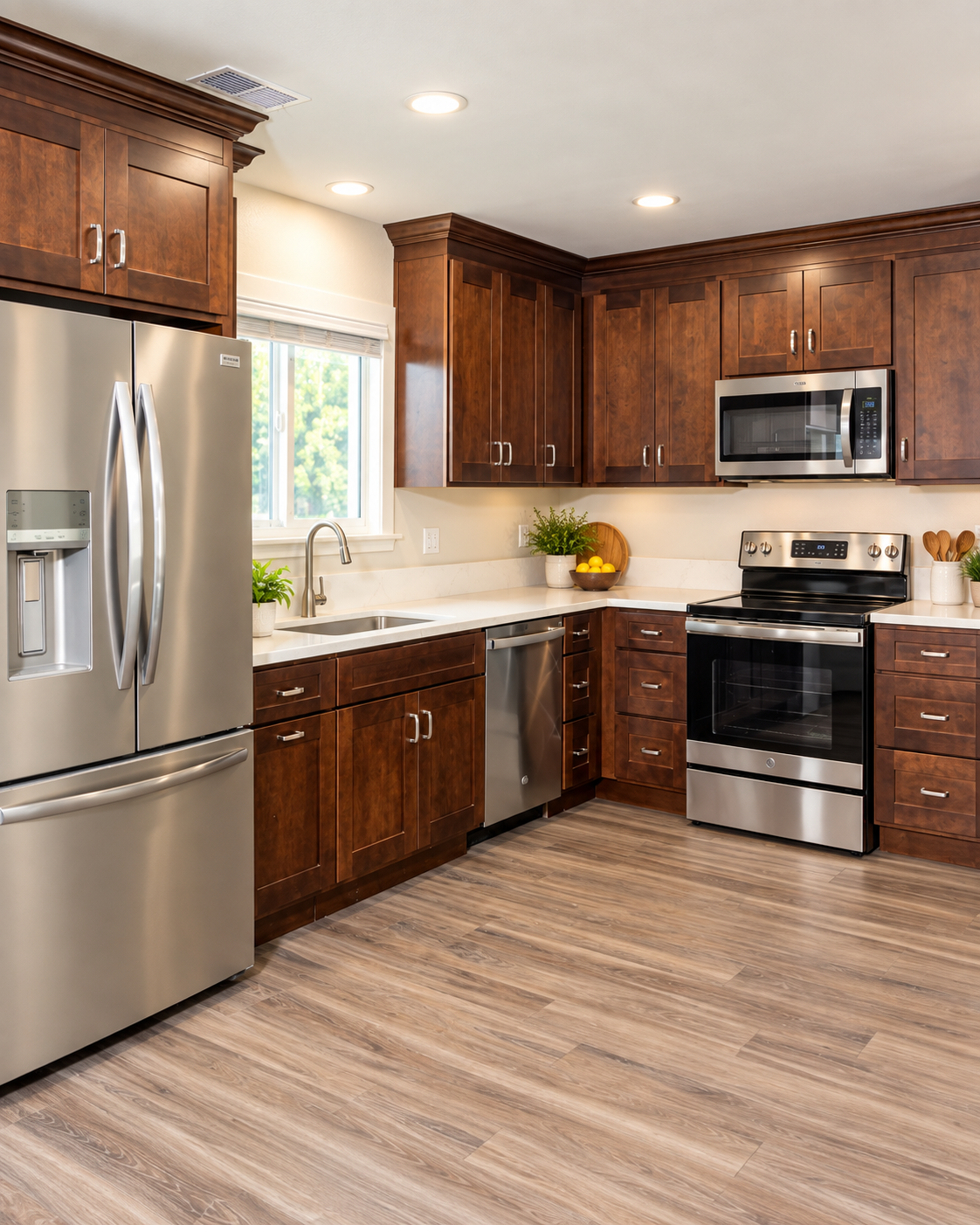
Capture the spaces prospective residents will want to examine: living and sleeping areas, kitchen or kitchenette, bathroom, storage, and the connections between them. Provide verified floor plans or dimensions separately when available.
A visual tour can help people formulate questions about comfort and accessibility. It shouldn’t be presented as proof that a residence meets a particular person’s needs.
Give shared spaces the same attention
Residents’ lives extend beyond their front doors. Dining areas, lounges, activity rooms, fitness spaces, gardens, and outdoor seating may all belong in the tour when they reflect the community’s actual amenities.
Choose spaces that help explain your community’s character. A garden with comfortable seating may be more informative than another generic hallway.
Keep labels specific and factual. Explain what a room is used for without implying an activity is always available or a service is included in every plan. Have the appropriate community team review those descriptions before publication.
Pair spatial understanding with a human introduction
An interactive tour can show how rooms connect. A short welcome video or staff-led introduction can add context about the people and routines associated with those spaces.
Decide which job each asset should do. A self-guided 360-degree tour allows exploration. A recorded walkthrough follows a planned sequence. A live video tour creates an opportunity for questions. They can complement each other, but they require different capture and follow-up arrangements.
Current senior living industry guidance on virtual tours emphasizes connecting the digital experience to personal follow-up and a clear next action. The practical takeaway for your team is to plan the conversation that follows the tour as carefully as the tour itself.
What local adoption tells Indianapolis communities
Online tours are already part of how several local communities present themselves. Traditions at Solana in Indianapolis and Meadow Brook Senior Living in Fishers, for example, provide virtual-tour pages.
Those examples show local use of the format; they don’t establish any particular occupancy or sales result. For your own community, the useful question is whether your current online presentation answers the questions people bring to your sales team.
A community serving Indianapolis, Carmel, or Fishers can make its location clear through accurate property information and surroundings. Keep the tour focused on the actual experience at that community rather than broad claims about what every family wants.
Prepare the community before capture day
A short planning conversation can prevent a long list of avoidable interruptions. Agree on:
- The route: Which residences and amenities will be captured?
- Readiness: Who checks cleaning, lighting, furnishings, and room access?
- Timing: When can filming happen with minimal disruption?
- Privacy: Which areas, documents, and personal belongings must remain out of view?
- Participation: If people appear, who manages permission and scheduling?
- Review: Who verifies labels, descriptions, and the final presentation?
Ask staff to check reflective surfaces and visible paperwork as well as the obvious camera view. Keep occupied private spaces out of the route unless their inclusion has been specifically arranged.
Prepare the setting thoughtfully while keeping it representative of what visitors will encounter.
Make the next step easy to find
Place a clear invitation beside the tour: schedule a visit, ask about a floor plan, or speak with the community’s team. Choose language that matches the next conversation you’re equipped to offer.
Test the experience on a phone. Can a visitor find the tour, understand the controls, return to the main page, and locate contact information? Include conventional photos and useful written descriptions so the interactive experience isn’t the only way to learn about the property.
Ask your sales team which questions virtual-tour viewers bring to appointments. Where analytics are available, review engagement alongside actual inquiries. Viewing a tour is an expression of interest, not a guarantee of a move-in.
Plan for updates as well as launch
Renovated residences, new amenities, and changed room uses can make existing coverage outdated. Before commissioning a tour, clarify hosting costs, access, the update process, and which areas can be refreshed individually.
Red8 Media’s virtual tour services can help you explore an appropriate format, while the virtual tour gallery offers examples to review as you plan.
Ready to show your Indianapolis-area community more clearly? Talk with Red8 Media about senior living virtual tour coverage. Share the spaces you want to feature, your timeline, and the questions your team wants the finished tour to help answer.