A prospective tenant opens your listing between meetings. They can see the building, but they still can’t tell where visitors park, how deliveries arrive, or how the interior connects.
Those are useful questions for your commercial property media to answer. An attractive image earns attention; a well-planned collection of photos and tours helps someone decide whether to take the next step.
For Indianapolis brokers, property managers, and building owners, the starting point is simple: what does a qualified prospect need to understand before calling?
Start with the property’s intended user
A warehouse tenant, a medical practice, and a retailer will examine the same property differently. Plan your shoot around the people you’re trying to reach.
For an industrial building, prioritize loading areas, yard configuration, and the relationship between warehouse and office space. For an office, show reception, meeting rooms, work areas, and shared amenities. For retail, include the storefront, pedestrian approach, signage location, and parking context.
Write down the five questions your leasing team answers most often. Use those questions to build the shot list. That keeps the assignment focused on information someone can use.
Use drone photos to explain the whole site
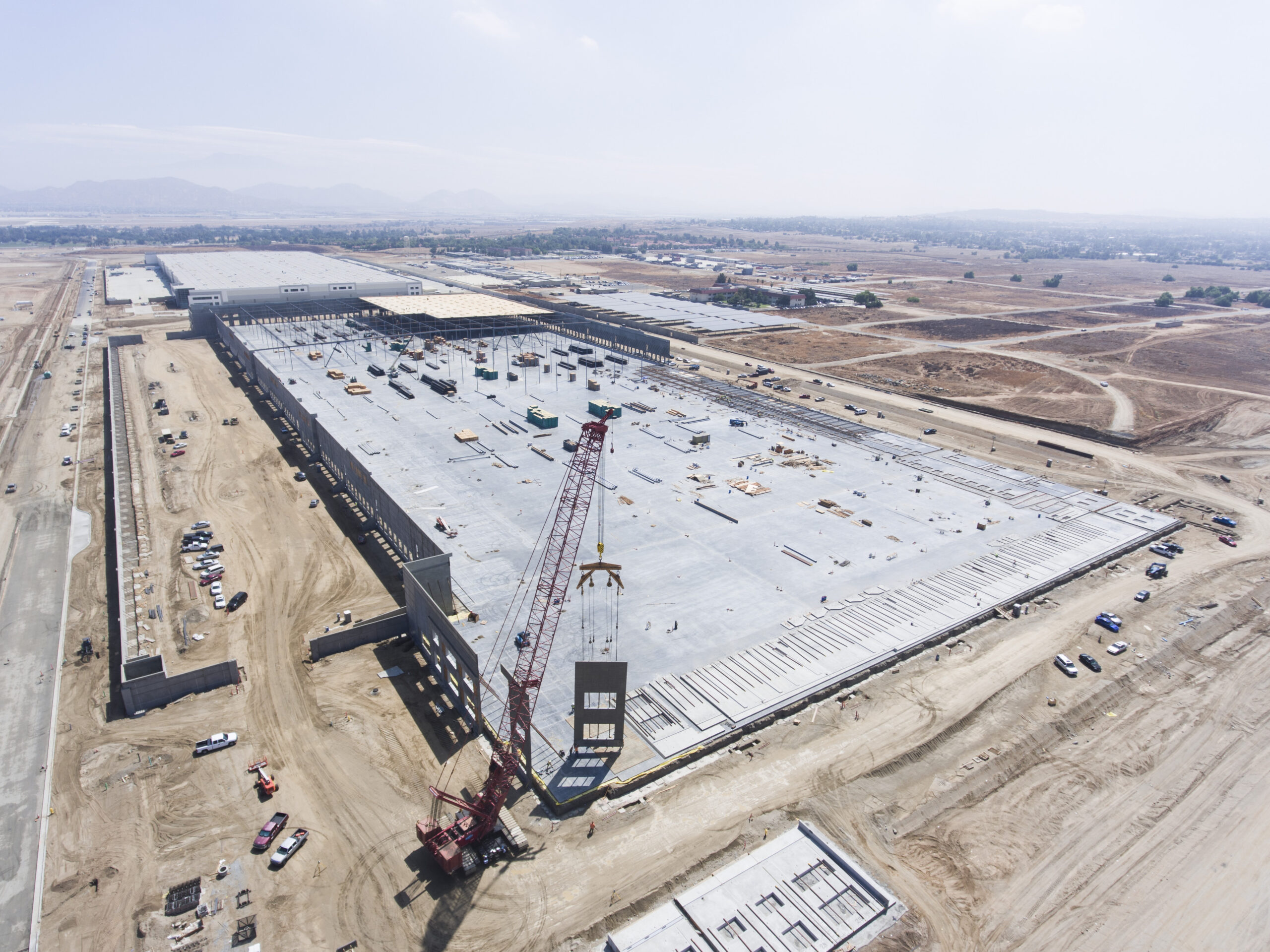
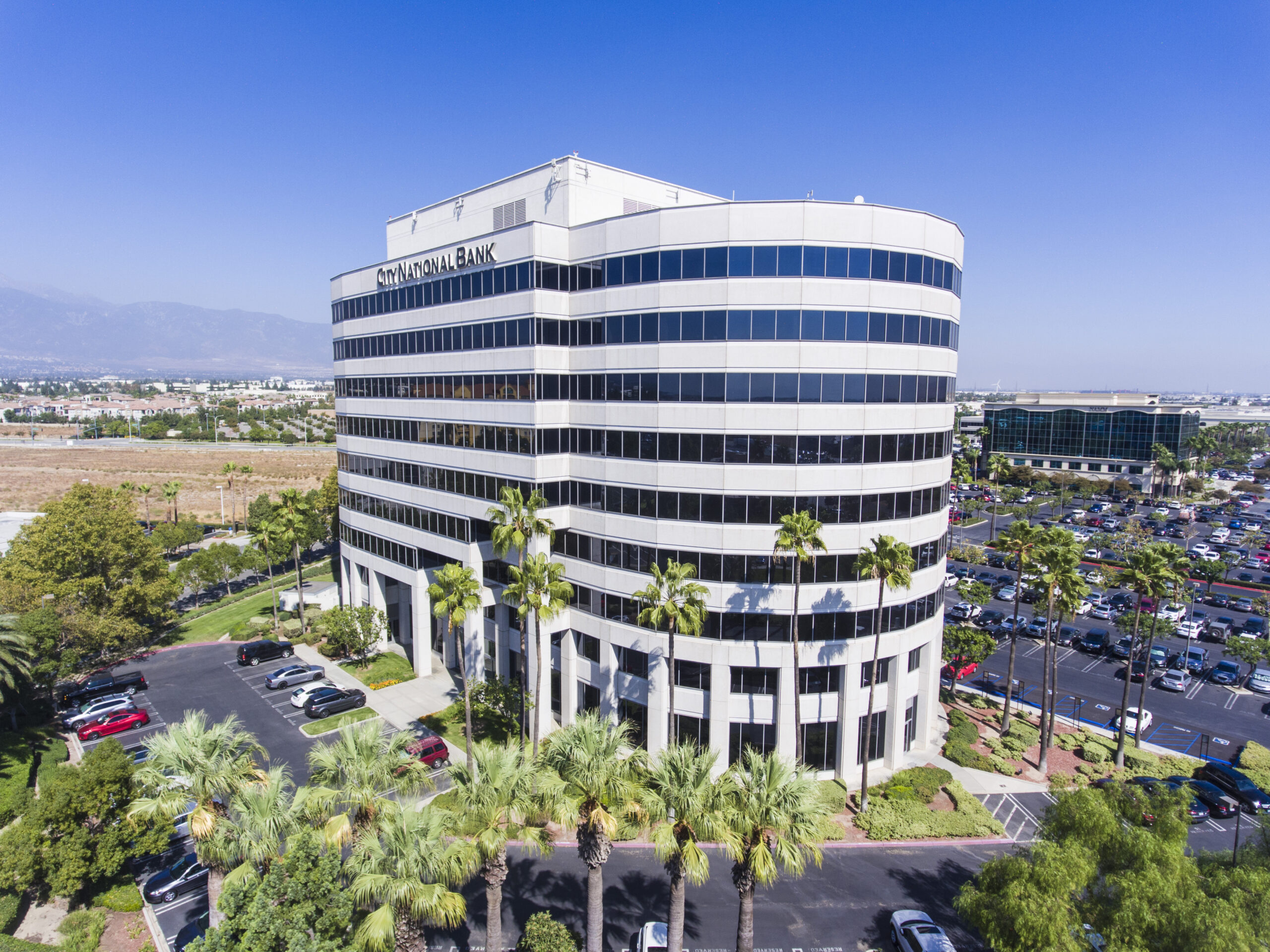
Aerial photography can bring separate features into one understandable view. Building placement, parking, access points, and neighboring development are easier to relate when the viewer can see them together.
Ask for a mix of broad context and closer angles. One image might show the property’s setting; another might explain the entrance and parking layout. A third could focus on loading access, where relevant.
Choose the angles deliberately. A dramatic skyline in the background isn’t especially helpful if the building you’re marketing is difficult to identify.
If you add labels, have the property team verify them. Distinguish an illustrative boundary from a surveyed property line, and pair photos with verified specifications for dimensions, access rights, or capacity. An aerial view can introduce those subjects without establishing the facts by itself.
Let interior photography answer the next questions
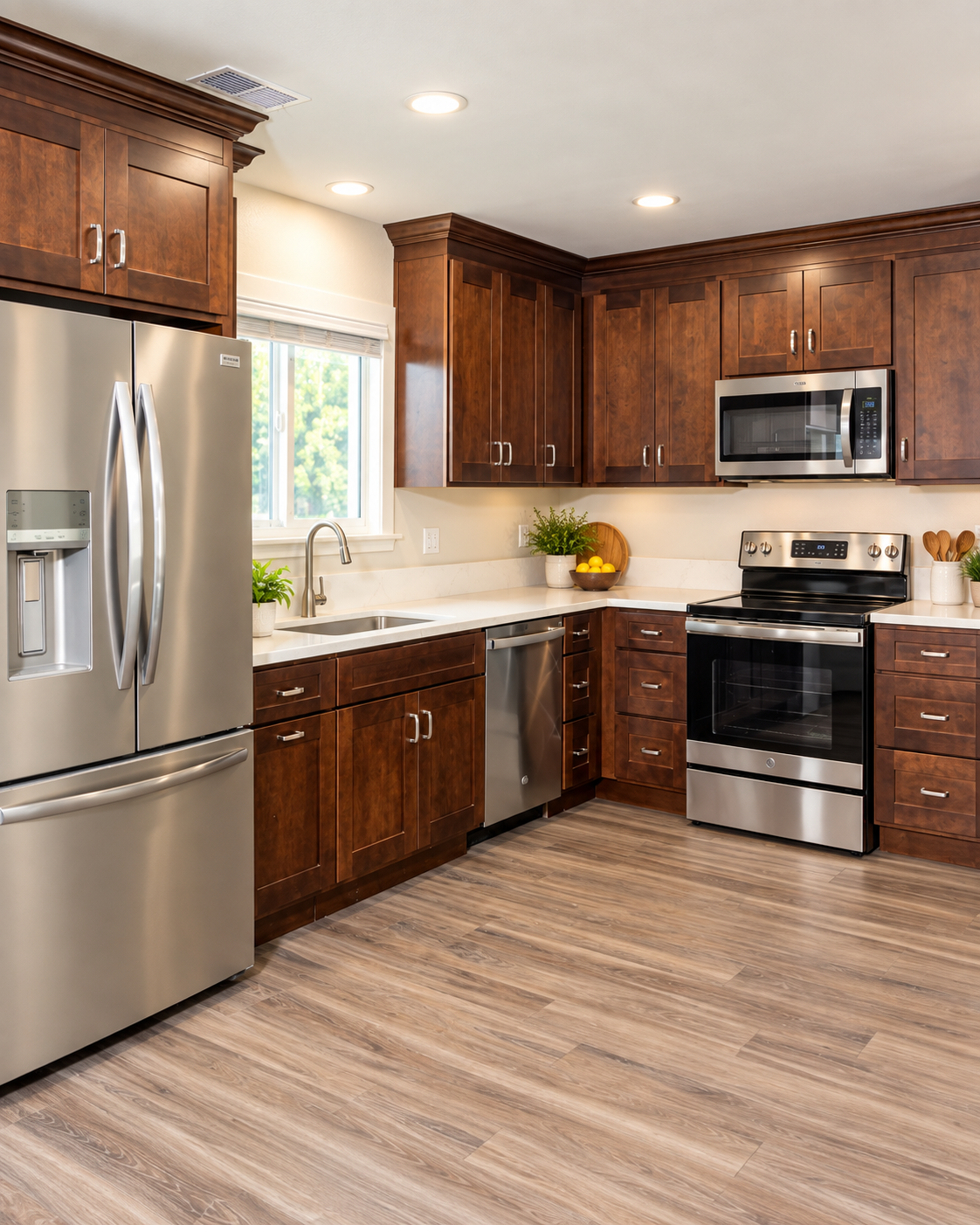
Once someone understands the site, they need to understand the space. Strong interior coverage should establish the main rooms, their condition, and the features that matter to the intended occupant.
Build a clear sequence: arrival, entrance, primary working areas, supporting rooms, and distinctive amenities. Show enough context that a viewer can connect one photo to the next.
Keep the presentation accurate. Correct exposure and color, but don’t digitally conceal damage or permanent obstructions. If a furnished concept or rendering accompanies the listing, label it clearly so prospects can distinguish an idea from the space available today.
Use a virtual tour when layout needs explaining
Still photos work well for individual views. An interactive tour gives viewers a way to explore how those views connect and return to areas they want to examine.
That can be useful when several decision-makers need to review a property before coordinating a visit. Ask your provider to plan a straightforward route through the spaces you’re actually offering, with understandable navigation and clearly identified areas.
Be specific about the format. A video walkthrough follows an edited sequence. An interactive 360-degree tour lets viewers choose where to look and, depending on its design, where to move. A 3D model may offer additional spatial features. Confirm the actual deliverable, hosting arrangements, and available functions before commissioning the work.
Explore Red8 Media’s virtual tour services when you’re deciding how to present a property’s interior alongside its exterior coverage.
Why the Indianapolis market makes this timely
In its Q3 2026 Indianapolis industrial report, published October 8, CBRE reported 2.1 million square feet of positive net absorption and 1.8 million square feet of new construction starts. Those figures describe the industrial market, rather than every commercial property type.
For an owner preparing a new listing or bringing a building to completion, that activity provides a timely reason to review the marketing package. Does it show the property as it exists now? Can a prospect understand the site and interior without relying on an old brochure?
Use local context where it helps: recognizable surroundings, the actual approach to the property, and verified location information. A listing should make its place in Indianapolis understandable without stuffing neighborhood names into every caption.
A practical checklist before the shoot
Send your media provider a concise brief covering:
- The audience: Who should inquire, and what matters to them?
- The available space: Which suites, buildings, or areas belong in the package?
- Priority features: What should every prospect notice?
- Access: Who can open rooms and coordinate with occupants?
- Preparation: What needs cleaning, staging, or clearing before capture?
- Distribution: Where will the images and tour appear?
- Delivery: What file formats, usage rights, deadlines, and hosting terms do you need?
For aerial coverage, provide the address early so the pilot can assess flight feasibility and scheduling. Coordinate around site activity rather than assuming every requested angle will be available on the day.
Give prospects one clear next step
Place the media where it supports the inquiry. Keep the tour easy to find, provide current property details nearby, and give visitors an obvious way to request information or schedule a showing.
Ask the leasing team whether inquiries arrive better informed and which questions remain unanswered. That feedback can guide the next photo update more usefully than simply counting gallery views.
If construction is still underway, plan the transition from construction progress coverage to finished-property marketing before the site is handed over.
Have an Indianapolis-area commercial property to showcase? Talk with Red8 Media about a property media package. Share the location, intended audience, and listing timeline so we can discuss the ground photography, aerial coverage, and virtual tour content that fit the assignment.